INTRODUCTION
This is a project in which you self-represent in unusual and expressive ways. You will be expected to take risks as an artist, creating poetry, music, art, animation, experimental film or web productions that have a clear sense of style. You will build your technical communication competencies in the real world by learning how to use professional equipment and software (DSLR cameras, audio recorders, Photoshop, Animate, Premiere Pro, After Effects, Audition/Pro Tools, WordPress and Google Apps).
For my first project in Freestyle, I was challenged to go beyond the “typical” expectations of assignments in school and really communicate something about myself through an artistic medium. Instead of only focusing on an idea or “right” answer, I also had to focus on the choices I made to achieve it – what mood I wanted to convey, what message I was trying to make, and what style best reflected my identity. By working in both English and Digital Media, I was able to express ideas through more than writing – translating them into visual, audio, or editing decisions. This experience allowed me to learn that the form of expression can be just as significant as the content, and that risk-taking is necessary in order for a work to be authentic.
Art Reflection Video
The SF MOMA field trip connected what we’ve been learning in English and Digital Media to real artwork in a space where you actually have to slow down, observe carefully, and figure out what you genuinely think and feel instead of forcing an “answer.” For the Art Reflection assignment, I worked in two formats: I made an art reflection video on The Visitors, and I wrote about how Sidewalk Music made me feel awe. Conceptually, I grew by moving past just describing what I saw and instead building a clear interpretation with specific evidence, because my video needed an actual point and my writing needed real reasoning behind the emotion. Artistically, I got better at matching tone to meaning, especially in the video, where pacing and the order of ideas affected what the viewer felt. Technically, I improved by making more intentional editing choices like cleaner cuts, smoother flow, and better control of audio and timing so it felt like a polished reflection rather than a rushed summary. Overall, doing the video and the writing together pushed me to communicate more thoughtfully, back up my ideas more clearly, and use digital tools in a way that supports my message instead of distracting from it.
I valued how the Art Reflection Video connected English and Digital Media: I had to form a clear, specific interpretation of The Visitors and support it with real details, then use pacing, audio, and editing to make that meaning come through. It taught me that presentation affects understanding, and it pushed me to be more intentional and confident in my analysis.
Parody Introduction
▶ Messy
⏸ Messy
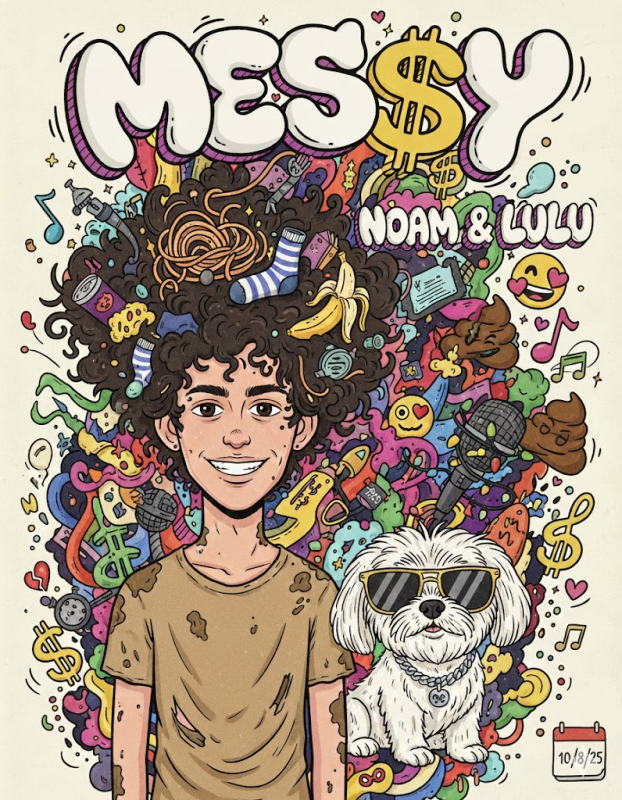
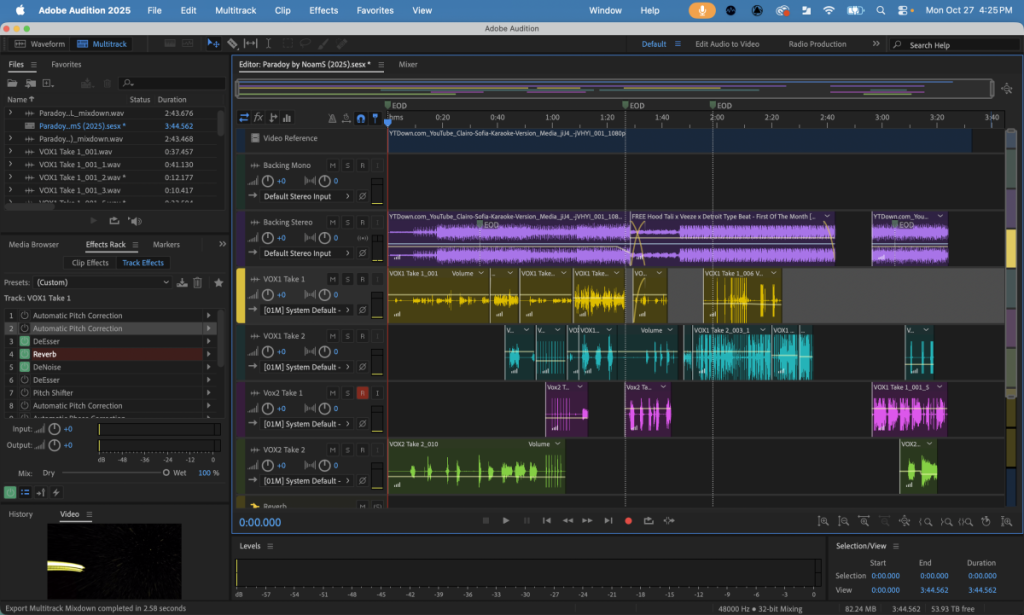
In our Rap/Pop fusion parody, “Messy” by Noam & Lulu, the motivations were musical opposites and authenticity of teenagedom. The project began with a Clairo track we both though sounded good. We based the aesthetic on her airy, tuneful, indie-pop structure for those first moments. It is a soft, and sugary pop foundation for the singing verses where Lulu’s tuneful melodies and harmonies paint a vivid, painfully relatable portrait of a teen’s bedroom floor (you know the one: clothes mountain, mystery stains, epic mess, missing homework, etc.). The sucker-punch, genre subverting moment comes with a BIG unexpected beat switch to a HARD, in-your-face Detroit style hip-hop beat. The mood of the rap is suddenly a complete contrast to the previous part of the song, as Noam delivers his bars of bravado “talking about the future, grind and hustle, coming up out of this hood.” Even though he has gorwn up in the suberbs. The track is a true collision of sounds: a smooth, confident rap track that is completely opposed by the pop section, giving it a funky listening experience.
Paraody Lyrics
“Go get it, Lulu. What am I supposed to do?
(Pop/Singing Section – Lulu) I’ve been cleaning all day long, but it’s still… a mess. Mess! Clothes on the floor, can’t even see… my desk. She can’t see her desk! Every time I’ll say I’ll fold, I… just don’t. Audible sigh I swear I tried, well, kind of don’t. My mom keeps saying this place looks like a zoo, But I can’t find the energy to pick up my shoes.
(Chorus – Lulu) Messy room I’m living in a mess, I swear I’ll clean it soon, I guess. Messy room, I’m losing all my spoons, Somewhere under all my clothes and moods.
(Pre-Beat Switch Rap – Noam) There’s a cup from last week and makeup on the bed, I said I’d fold my laundry, but I watched TikTok instead. I can’t see my carpet under all this doom. If someone walked in right now, they’d scream, “Clean your room!” Yeah, yeah… Yeah, baby…
(Transition – Noam) Transition! Hear the beat switch on the beat! On that beat! Oh, yeah! Shiba did it! I like the beat! Yeah, yeah… Shiba made it, baby! This is fire! Ski-yi-yi!
(Detroit-Style Rap Section – Noam) Yeah, yeah… Wake up, stretch out, start of the day, Grab my books, got dreams to chase. Mind on track, I’m ready to learn, Every mistake’s just a chance to turn. Yeah, yeah, yeah!
Good vibes only, never feeling lonely, Respect the rules, that’s how we roll. Big heart, bright mind, positive goal. Yeah, yeah, yeah! I’ll be keeping it moving, man, I’m staying strong, I’ll be staying here, this is where I belong. Yeah, I’ll play hard when I sing the song, Keep that beat rolling all day long, yeah! Yeah, yeah…”


Photoshop Blend Mode Editing
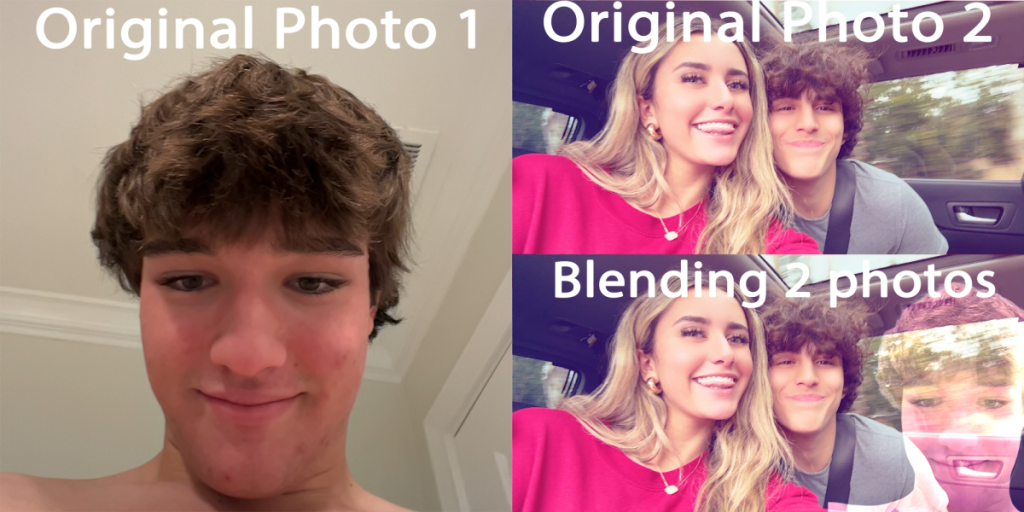
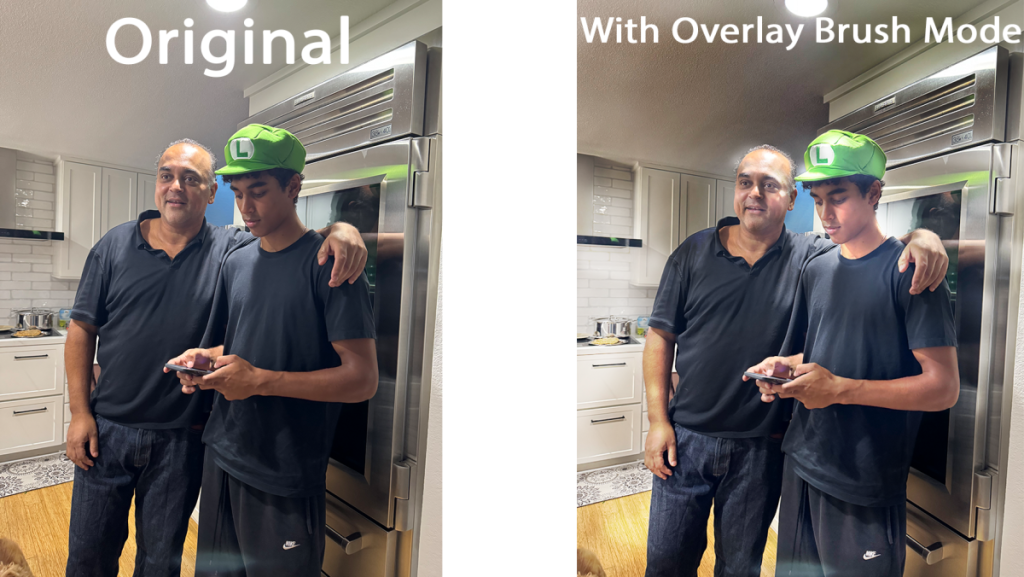
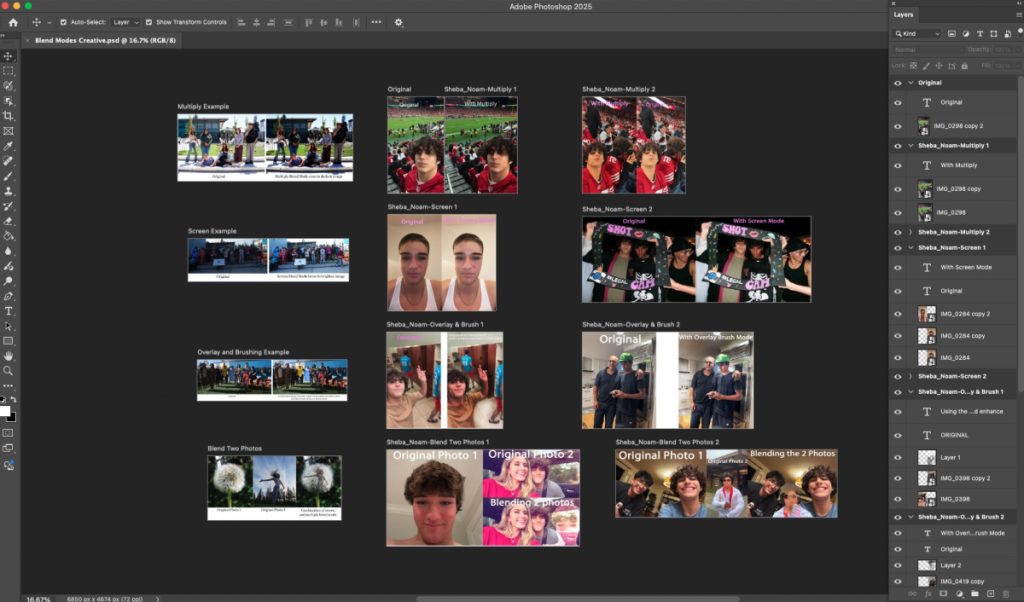
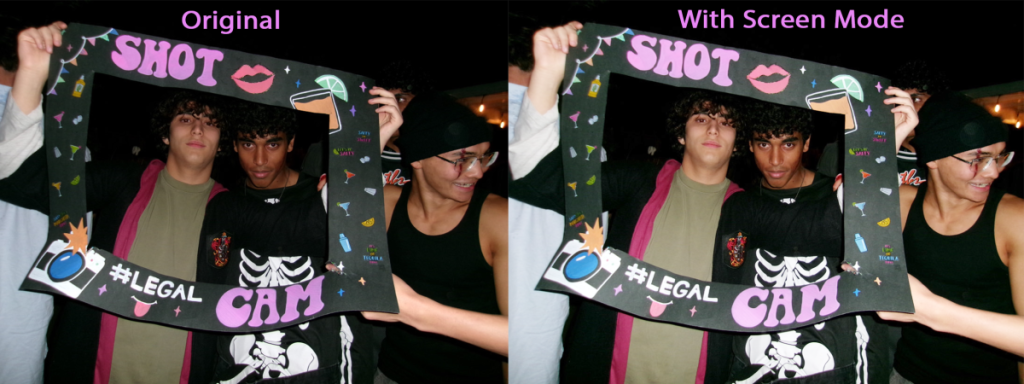
This section showcases a series of assignments completed in the Digital Media course, focusing specifically on the application and manipulation of Photoshop Blend Modes. These exercises were designed to deepen our understanding of how different blend modes (such as Multiply, Screen, Overlay, and Difference) interact with underlying layers to create complex visual effects, color corrections, and textural overlays. The goal was to move beyond basic layer adjustments and utilize these powerful tools to achieve professional-level image compositing and creative editing.
Reflection on Process
1. What I value about learning Photoshop blend modes:
Blend modes are actually really helpful because they let me control how layers mix together instead of just guessing what might look good. They make lighting, shadows, and textures way easier to add without having to redo everything by hand. It also helps me understand how colors interact, which makes my edits look a lot more natural. Overall, blend modes just make the whole process smoother and more creative.
2. How I see myself using my Photoshop skills:
I can see myself using these skills to make my projects look cleaner and more put-together. Whether I’m making posters, digital art, or random edits, blend modes help everything actually blend and match the vibe I want. I like that I can add cool lighting or color effects without it looking fake. It basically gives me more freedom to make things that look legit.




DSLR Practice Photos
Welcome to the DSLR Photos section, showcasing practical exercises designed to master fundamental photographic techniques. This collection features work from sessions dedicated to controlling depth of field using Aperture Priority (Av) mode, demonstrating both shallow focus for portraiture and deep focus for landscapes. We also explore the creative potential of Shutter Priority (Tv) mode through long exposure night photography, capturing light trails and motion. Further practice includes mastering artificial lighting with flash photography for dynamic portraits against various backdrops, and understanding exposure control in Program (P) mode by manipulating ISO sensitivity. Finally, this section highlights the importance of post-processing by demonstrating how altering White Balance in digital media can dramatically affect the mood and color accuracy of an image.
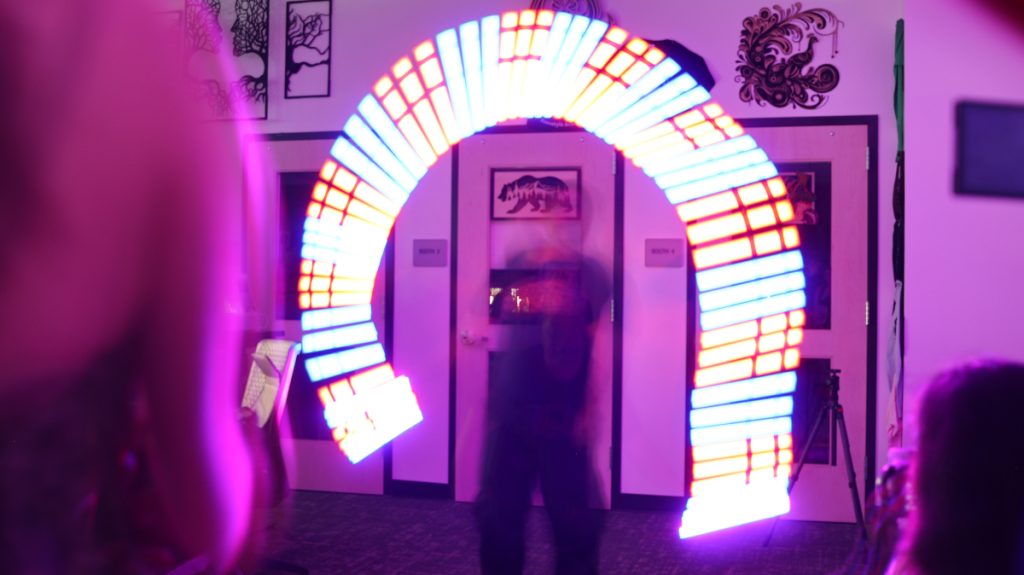

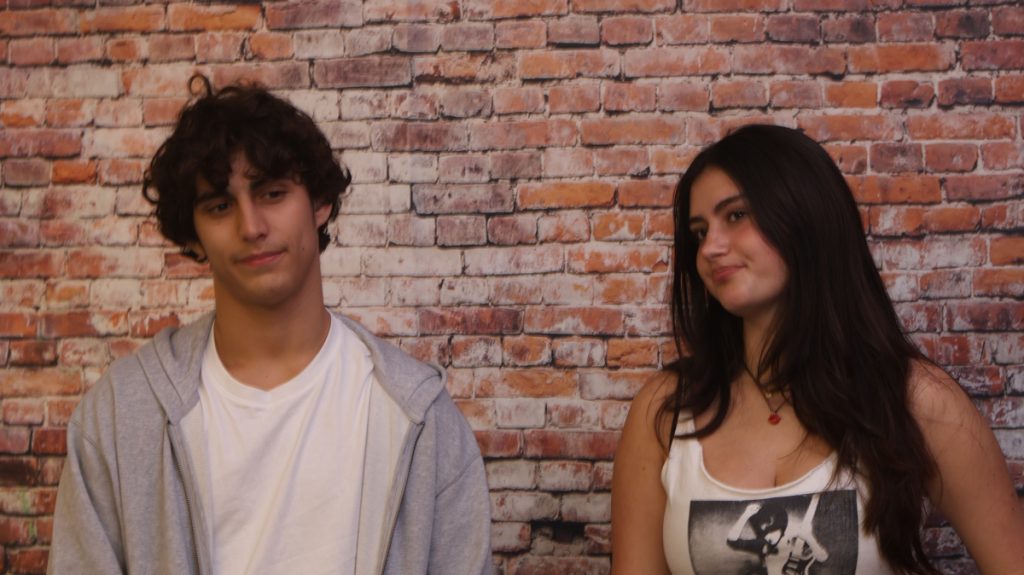
Getting the hang of my DSLR’s manual settings has been a real game-changer. It started with Av mode, where I finally figured out how to get those blurry backgrounds for portraits and keep everything sharp for landscapes. Night photography in Tv mode was a test of patience, with lots of trial and error to get those cool light trails without messing up the shot. I also learned that using flash for portraits isn’t about blasting your subject with light, but about bouncing it to make it look soft and natural. Playing with ISO in P-mode taught me the hard lesson about grainy photos, so now I try to keep it as low as possible. And finally, tweaking the white balance made a huge difference, fixing weird color tints and making my photos look true to life. It’s been a challenging process, but it’s so rewarding to finally feel in control of the camera.
MY FILM WORK:
Film conceptual assignments are meant to have students thinking more about the development of abstract ideas, theoretical understanding, and personal artistic voice beyond just technical skills. These usually include visual concept pitches, theoretical essays, and experimental exercises which entail deep analysis and creative expression. My experience in Film so far has been transformative; it was more about learning what it takes to make a film and the language behind it. I have enjoyed learning new cinematography skills and collaborating with classmates. Sometimes, the process has been challenging-especially balancing creative and technical demands-but at the same time, it has helped me develop a greater appreciation for the power and complexity of visual storytelling. I find value in this special blend of creative expression and technical mastery that enables me to express ideas visually and work within a collaborative environment, helping me in both my artistic vision and teamwork ability. I also appreciate learning how to analyze and understand the impact of film on culture and society.
Experimental FIim

My Planning Document
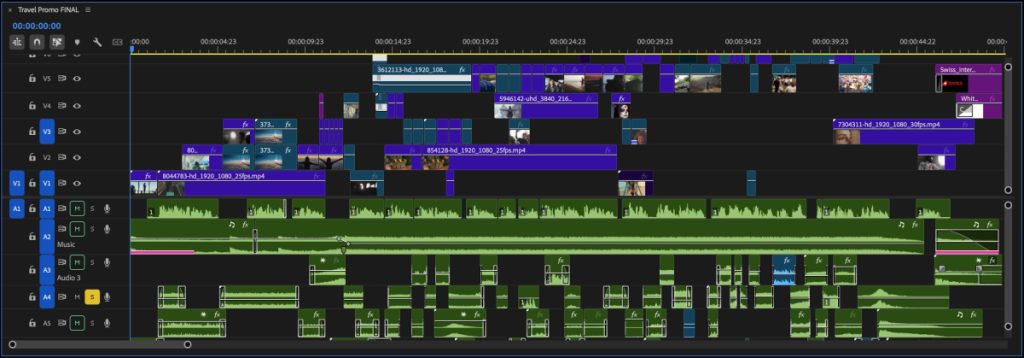
My Premiere Workspace
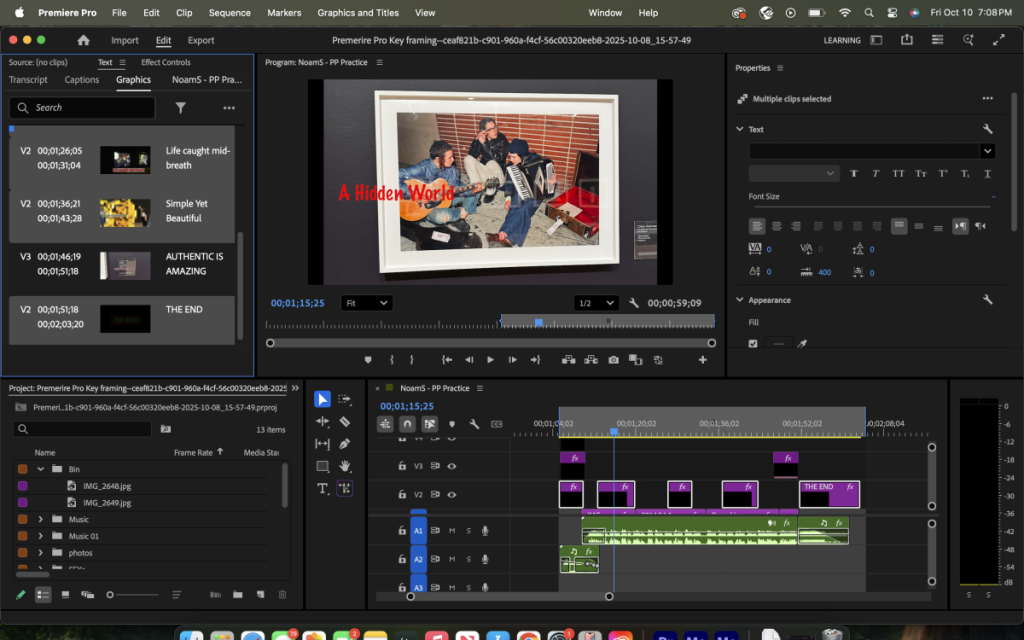
This Image shows the tedious process it takes it edit all the clips you filmed and arrange them perfectly for your film to be good and entertaining.
Film Exercises
The Video Scavenger Hunt’s objective was to use basic filmmaking techniques by taking a range of camera angles throughout the campus. This activity encouraged us to view our surroundings through the eyes of a filmmaker and practiced composing shots like wide shots, close-ups, and tracking shots. It was a useful, hands-on introduction to cinematography. In my opinion, this assignment was a very successful and interesting way to start the film course. It encouraged teamwork and problem-solving by pushing us to go beyond theory and begin actively creating. The scavenger hunt made learning the visual language of cinema memorable and powerful by fusing campus exploration with the technical practice of camera work.
The main objective of the green screen is to enable the smooth substitution of any desired digital image, video, or computer-generated environment for a background color. Filmmakers can create visual effects, transport subjects to fantastical or impractical locations (like space or historical settings), and drastically cut production costs associated with location shooting thanks to this technology, which is essential to modern media production.
The Double Mint Effect is a very simple film editing technique where you overlay to videos of yourself in the same place to give the illusion that there is 2 of you, when edited properly it looks completely real and can save you time from casting twins for your films!